Commercial Moves in Greenwich: A Practical, SEO-Friendly Look at Business Relocation Success
Why Commercial Moves in Greenwich Demand Careful Planning
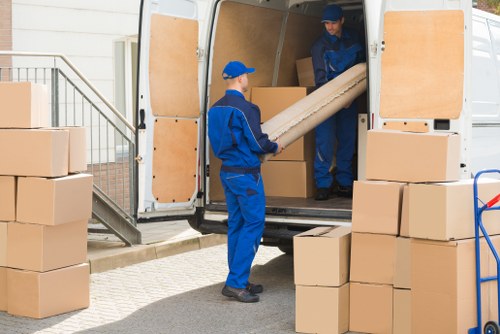
Commercial moves in Greenwich are never just about transporting desks, chairs, and filing cabinets from one building to another. They involve timing, logistics, staff coordination, operational continuity, and a clear understanding of how a business can relocate without losing momentum. Greenwich is a thriving area with a distinctive blend of historic streets, modern office buildings, riverside developments, and busy commercial corridors, which makes moving a business here both exciting and demanding.
For many organizations, commercial moves in Greenwich are tied to growth, downsizing, expansion, or a strategic location shift. A business may need more space, better transport links, improved storage, or an environment that better reflects its brand. Whatever the reason, the move has to be handled with precision. Even a small disruption can affect customer service, staff productivity, and revenue. That is why businesses benefit from a structured approach that keeps the process efficient, secure, and well organized.
Another important factor is the variety of properties in Greenwich. Some businesses operate from modern shared workspaces, while others are based in traditional offices, retail units, or specialist commercial premises. Each setting brings different moving requirements, from access restrictions to parking limitations and lift availability. In other words, commercial relocation in Greenwich requires more than a standard removal service. It calls for a tailored plan that takes local conditions into account.
Understanding the Greenwich Business Environment
Greenwich is known for its strong identity, excellent connectivity, and economic diversity. The area attracts businesses from sectors such as finance, creative services, education, hospitality, e-commerce, and professional consulting. This diversity creates a lively commercial landscape, and it also means that commercial moves Greenwich companies rely on must be adapted to each sector’s needs.
Accessibility is one of Greenwich’s major advantages. The area offers rail, DLR, bus, river, and road connections, making it appealing for employees and clients alike. However, these same transport links can make moving day more complicated. Busy roads, limited loading bays, controlled parking zones, and peak-hour congestion can all affect relocation timing. Businesses that plan a commercial move in Greenwich should consider these local factors early in the process.
There is also the matter of image. Greenwich has a reputation for quality and character, so many businesses want their new premises to reflect a polished, professional identity. Whether the destination is a modern office suite or a refurbished commercial unit, the move should support the brand rather than disrupt it. This is why commercial moves in Greenwich are often viewed as an opportunity to reorganize operations, improve workflows, and create a better working environment.
Key Stages in a Successful Commercial Move

A successful business relocation follows a clear sequence. The first step is assessment. This involves reviewing the current premises, identifying what needs to move, and determining any specialist handling requirements. For commercial moves in Greenwich, the assessment phase should also include a check of access routes, building rules, and timing constraints. This helps prevent delays and avoids unexpected issues on the day of the move.
The second stage is planning. A detailed relocation plan should map out the schedule, responsibilities, packing phases, IT shutdown and restart windows, and staff communication. Good planning is essential because commercial moves are usually time-sensitive. Businesses often need to relocate outside normal working hours, over a weekend, or in phases to minimize downtime. The more complex the operation, the more valuable a structured plan becomes.
The final stage is execution. This is where packing, loading, transport, unloading, and setup all come together. The best commercial moves in Greenwich are those managed by professionals who can coordinate each stage efficiently. Careful sequencing ensures that essential equipment arrives safely, furniture is assembled in the correct location, and the business can resume operations with minimal interruption.
How to Prepare Staff for Commercial Moves in Greenwich

Staff preparation is a major part of any relocation. Employees need to know what will happen, when it will happen, and how it may affect their roles. In many commercial moves Greenwich businesses undertake, staff are asked to pack personal items, label workstations, back up digital files, and keep essential documents secure. Clear communication reduces stress and helps everyone understand their responsibilities.
It is also useful to appoint internal move coordinators. These individuals can act as points of contact for different departments, such as administration, IT, HR, and operations. When each team has a representative, communication becomes much easier. This is especially valuable in larger offices where commercial moves in Greenwich may involve several floors, multiple departments, or sensitive equipment.
Some businesses choose to hold short briefings before moving day. These sessions can explain the schedule, safety arrangements, packing instructions, and what staff should expect upon arrival at the new site. A well-informed team is more likely to stay productive and cooperative throughout the relocation. Commercial relocation in Greenwich works best when everyone understands the bigger picture and their role within it.
Practical staff preparation tips
- Label all boxes clearly and consistently.
- Back up computers and important documents before the move.
- Remove personal items from desks and storage areas.
- Keep essential tools and files accessible for the first day in the new office.
- Notify staff of access changes, transport adjustments, or temporary work arrangements.
Managing Logistics for Commercial Moves in Greenwich

Logistics can make or break a business move. When planning commercial moves in Greenwich, businesses need to think beyond the basic act of moving items. They must consider vehicle access, floor protection, route planning, lift use, loading times, and the safest way to move fragile or high-value assets. Good logistics reduce the chance of damage, delay, or confusion.
Greenwich presents specific logistical challenges because of its mix of urban density and historic architecture. Some buildings have narrow staircases, limited delivery windows, or strict landlord requirements. Others may be located in areas where traffic congestion can affect unloading. A well-organized move accounts for these details in advance. That is why many companies prefer to work with specialists who understand commercial moves Greenwich businesses can rely on for precision.
Transport planning is equally important. Routes should be checked beforehand, especially when moving large office furniture or equipment through busy parts of the borough. Parking permissions may need to be arranged, and access times should be coordinated with building managers. Commercial relocation Greenwich businesses perform successfully often depends on this kind of preparation. It is not just about the truck; it is about the entire movement process from start to finish.
Common logistical priorities
- Assessing access points and loading restrictions.
- Protecting floors, walls, and entrances during transit.
- Scheduling moves to avoid peak traffic or business hours.
- Securing parking or temporary unloading permissions.
- Separating essential items from non-essential items for phased relocation.
Specialist Equipment and Asset Handling
Many businesses have equipment that needs careful handling. This may include servers, printers, archives, laboratory tools, retail fixtures, confidential files, or delicate furniture. For commercial moves in Greenwich, specialist handling is often necessary to protect these items and ensure they arrive in working condition. The correct packing materials, lifting tools, and loading techniques are essential to success.
IT equipment deserves particular attention. Computers, network devices, and servers are often central to daily operations, and any damage or mishandling can cause expensive downtime. Businesses should label connections, back up systems, photograph setups where needed, and coordinate with technical teams before disconnecting anything. In commercial moves Greenwich firms conduct, IT relocation is often one of the most critical phases.
Archiving and document management are also important. Many organizations still keep physical records that must be protected from loss, moisture, or misplacement. A clear labeling system, secure containers, and chain-of-custody procedures help ensure documents remain organized. Whether the move involves a law office, accounting practice, or administrative department, secure handling should be a priority.
Examples of items that may need specialist attention
- Server racks and networking hardware
- Large-format printers and scanners
- Confidential records and archive boxes
- Display units and retail stock
- Fragile meeting room furniture
- Scientific or technical instruments
Minimizing Downtime During a Business Move
Downtime is one of the biggest concerns during commercial moves in Greenwich. Every hour a business is offline can affect clients, sales, communications, and internal workflows. The aim is always to make the transition as smooth as possible while preserving service continuity. That starts with a realistic move schedule and a clear set of priorities.
Phased relocations are often a smart solution. Instead of moving everything at once, a business may transfer departments in stages. This approach allows some teams to remain operational while others move, which can reduce disruption. It is particularly effective for larger offices or businesses with customer-facing roles. For many commercial moves in Greenwich, a phased strategy offers the best balance between speed and stability.
Backup systems are another safeguard. Digital backups, mirrored communications, alternative contact methods, and temporary remote working arrangements can help maintain operations if an unexpected delay occurs. Businesses should also have a contingency plan for IT problems, transport disruptions, or access delays. Commercial moves in Greenwich are smoother when the business is prepared for the unexpected and has a practical recovery plan in place.
Compliance, Safety, and Building Requirements
Safety and compliance should never be overlooked. Commercial properties often have specific rules for moving in and out, including lift bookings, delivery notifications, fire safety procedures, and access permits. These requirements are designed to protect occupants, property, and equipment. In Greenwich, where many premises have shared access or managed facilities, compliance is especially important.
Risk assessment plays a central role in any move. Hazards such as heavy lifting, trip risks, blocked exits, and damaged packaging should be identified before moving day. The right planning lowers the chance of injury and protects both staff and property. Commercial relocation in Greenwich should always prioritize safe handling and clear movement routes.
There may also be legal or lease-related obligations to fulfill before leaving the current premises. These can include removing fixtures, restoring the space to its original condition, or coordinating inspections. Businesses that handle these tasks early avoid last-minute complications. When commercial moves Greenwich companies undertake are supported by proper compliance checks, the entire process becomes more efficient and less stressful.
Safety checks to complete before moving day
- Confirm fire exits remain clear during packing and loading.
- Check whether any items require manual handling support.
- Make sure pathways are free from obstacles.
- Verify insurance coverage for transit and handling.
- Review landlord and building access rules.
Choosing the Right Relocation Approach for Your Business
Not every move should be handled the same way. Some businesses need a full overnight relocation, while others may benefit from a weekend move or a staged approach over several days. The right method depends on the size of the company, the type of equipment involved, the operating schedule, and the nature of the new premises. For commercial moves in Greenwich, choosing the right approach can save time and money.
A full move may work well for smaller businesses with limited inventory and simple setups. Larger organizations often need a more detailed strategy that includes departmental sequencing, specialist packing, and IT coordination. Retail businesses may need to move stock and fittings with minimal interruption to trading schedules. Offices may focus more heavily on data security and workspace setup. The key is to match the relocation method to the business model.
Businesses should also think about future growth when planning a move. A relocation is a chance to improve layout, reduce clutter, modernize processes, and create a more productive environment. In this sense, commercial moves in Greenwich are not just operational events; they can also support long-term improvement. A well-planned relocation can strengthen efficiency, culture, and customer experience.
Benefits of Professional Support for Commercial Moves in Greenwich
Although some businesses try to manage a move internally, professional support usually delivers better outcomes. Specialists bring experience, equipment, and planning skills that reduce risk and save time. They understand how to handle office furniture, technical equipment, archives, and fragile assets efficiently. For commercial moves Greenwich organizations can trust, this expertise makes a significant difference.
Professional movers also understand how to work around local conditions. Greenwich has busy roads, a mix of property types, and a range of access challenges. An experienced team can adapt to these conditions, coordinate timings, and keep the move moving. That flexibility is especially valuable when unexpected obstacles arise. Businesses benefit from having a team that can respond quickly and calmly.
Another advantage is accountability. When trained specialists handle packing, loading, and transport, there is more confidence that items will be protected and delivered correctly. This lowers the risk of loss, breakage, or delay. It also frees up staff to focus on business continuity rather than heavy lifting and logistics. If you are planning commercial moves in Greenwich, professional support can make the process far more manageable and far less disruptive.
What professional support can improve
- Move planning and scheduling.
- Safe handling of bulky or sensitive items.
- Communication between departments and building managers.
- Speed of setup at the new location.
- Risk reduction during transport and loading.
Making the New Workspace Ready for Use
The move is not complete when the items arrive. The destination must be ready to function as a workplace. That means furniture should be placed correctly, equipment connected, safety checks completed, and essential departments operational as soon as possible. In commercial moves in Greenwich, post-move setup is just as important as the transport itself.
A good setup plan will identify which areas need to be ready first. Reception, customer service, IT, and management spaces may need to be prioritized. Any delays in these areas can affect the wider organization. Businesses should also confirm that phones, internet connections, and systems are working before expecting staff to return to normal routines. The earlier the new space becomes functional, the faster the business can regain momentum.
It is also wise to review the new layout after the move. Sometimes small adjustments improve workflow, comfort, and efficiency. Meeting rooms may need better placement, storage areas may need reorganizing, and desk layouts may need refinement. Commercial relocation Greenwich businesses experience can be more valuable when it leads to a smarter workspace rather than a simple change of address.
Post-move priorities
- Confirm that all furniture and equipment are in the correct rooms.
- Test power, internet, telephony, and essential systems.
- Check signage, safety notices, and emergency routes.
- Unpack critical documents and tools first.
- Review the layout and make improvements where needed.
Why Greenwich Is a Strong Location for Business Growth
Greenwich continues to attract companies because it offers character, convenience, and connectivity. The area blends heritage with modern development, making it appealing to firms that want a distinctive location with strong commercial potential. For businesses considering commercial moves Greenwich provides an environment that can support visibility, recruitment, and long-term development.
The local business ecosystem also contributes to Greenwich’s appeal. Surrounding businesses, transport links, and commercial amenities make it easier for companies to operate efficiently. Staff benefit from access to services, clients benefit from a professional setting, and businesses benefit from being part of a recognized commercial area. These advantages help explain why so many organizations choose Greenwich for relocation.
Ultimately, a move to Greenwich can be more than a practical decision. It can be a strategic investment in the future of the business. When handled properly, commercial moves in Greenwich can open the door to improved operations, stronger branding, and a better overall working environment. That is why careful planning, clear communication, and reliable execution matter so much.
Final thoughts for businesses planning a relocation
Whether you are moving a small office, a growing team, or a larger commercial operation, the process should be built around preparation and precision. Think about staff readiness, asset protection, logistics, compliance, and setup from the very beginning. With the right approach, commercial moves in Greenwich can be efficient, controlled, and rewarding.
If your business is preparing for a relocation, now is the time to take the next step. Contact us today to start planning your move, and book your service now to keep your Greenwich business transition on track. A well-managed move can reduce stress, protect your assets, and help your team settle into the new space with confidence.